

Best Ways to Support Local Faith-Based Artists
Quick Summary
The best way to support faith-based artists is to buy finished handmade work from a named maker or curated marketplace, check how each piece is made, and consider grants that fund artists' materials and studio time. Verifying that the price reflects the maker's work helps your money actually reach the artist.
- Check whether a business names its makers or a small team, since named artists are easier to verify.
- Look for product descriptions that explain how an item is made, such as hand-cut or hand-painted.
- Ask whether the maker is paid fairly and whether the business explains its pricing.
- Grants help artists cover materials, studio time, and training beyond what sales provide.
- Set a budget before browsing, since handmade faith pieces range widely in price.
Table of Contents
Why Supporting Local Faith-Based Artists Takes More Than Good Intentions
Many shoppers want to support local faith-based artists, but good intentions alone rarely show where a dollar actually goes. A purchase can feel meaningful while the artist keeps only a small share of the sale. Understanding that gap is the first step toward shopping with real impact. Havens Marketplace, a faith-inspired gift and decor shop, built its catalog around small makers, so the questions below apply directly to how we source and sell.
Support can take several forms: buying finished work, funding a creative project, or spreading the word about an artist's work. Each form helps in a different way, and each has trade-offs. The sections that follow compare them so you can choose what fits your budget and your values.
Criteria for Judging Ethical Faith-Based Businesses
Before you buy, check a business against a short list of questions. A brand that answers them plainly is easier to trust than one that relies on inspirational language alone.
- Who made it? Named artists or small teams are easier to verify than anonymous "artisans."
- How is it made? Look for descriptions of the process, such as hand-cut, hand-painted, or made to order.
- What does the artist receive? Ask whether the maker is paid fairly and whether the business explains its pricing.
- Is the product what it claims? Materials, dimensions, and care instructions should match the listing.
- Can you reach a real person? Responsive customer contact is a sign of an accountable business.
Comparing Your Options: Purchases, Grants, and Direct Support
Buying handmade work directly
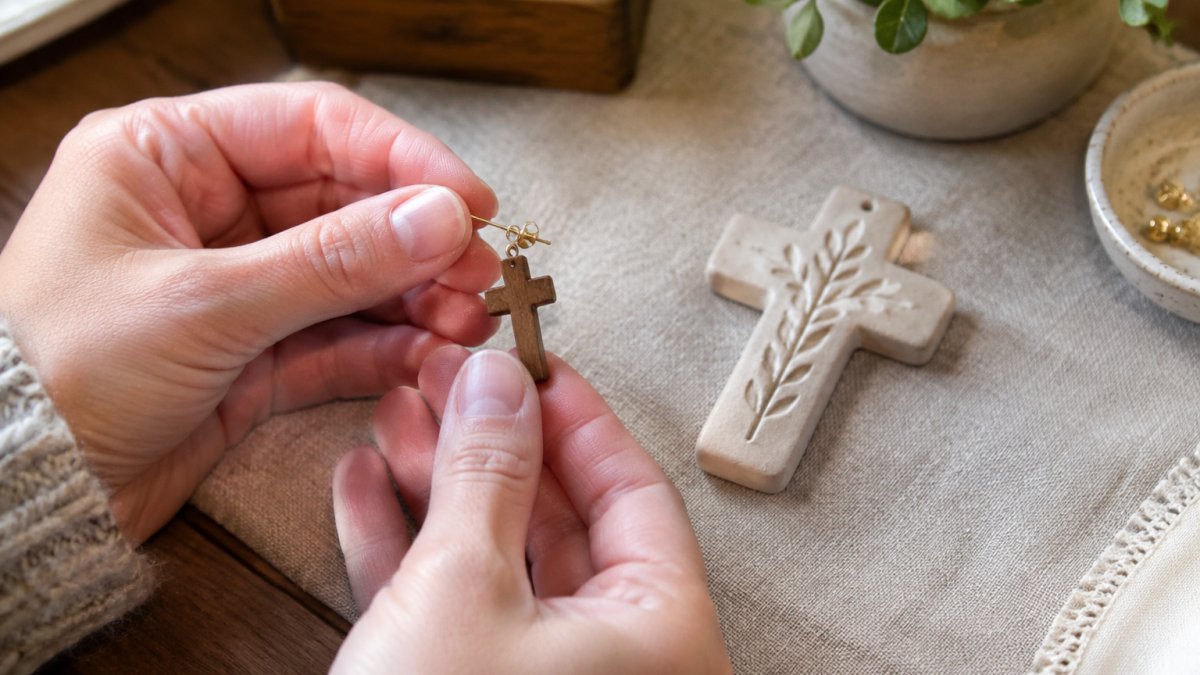
Buying directly from an artist or a curated marketplace is the most immediate form of support. Handmade pieces can carry natural variation. Our Hugo Flower Clay Cross, priced at $19.95, is hand-formed and hand-painted, so size and coloring may differ slightly from piece to piece.
Christian art grants and funding
Grants and funding programs help artists cover materials, studio time, and training rather than relying only on sales. Support of this kind often reaches artists who have not yet built a steady customer base. Grants are typically administered by arts organizations and foundations, so check each program's eligibility and application rules directly with the funder before you assume an artist qualifies.
How to Verify That Your Purchase Benefits the Artist
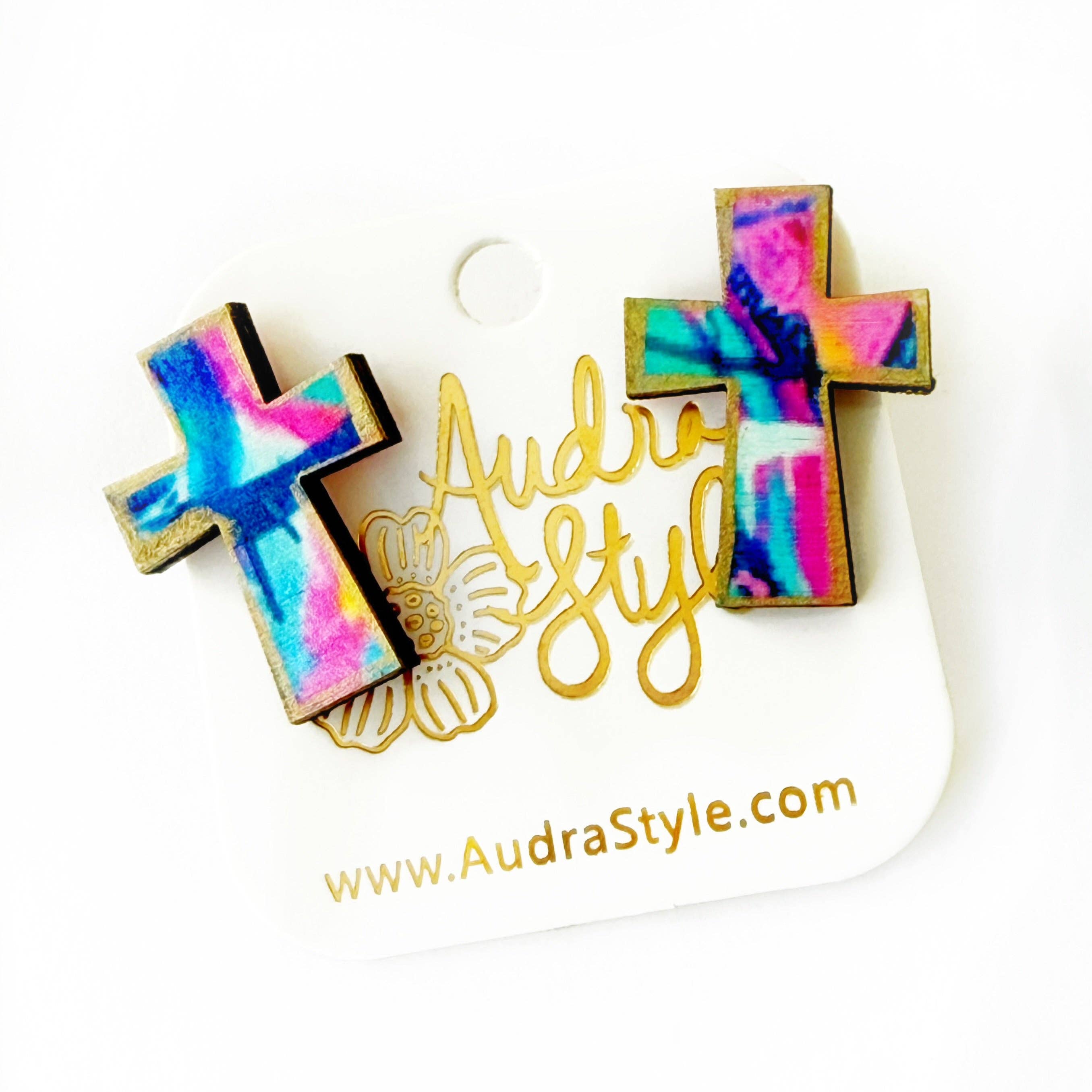
Verification is simpler than it sounds. Start by looking for a named maker or a clear statement of who produces the work. Then check whether the product page describes how the item is made and where. Our Blue and Pink Abstract Cross Stud, $16.95, is listed as hand-cut and made in the United States.
Finally, read reviews and ask questions before you buy. A business that welcomes those questions is more likely to be transparent about its supply chain.
Shopping Handmade Faith Pieces: Price, Quality, and Local Discovery
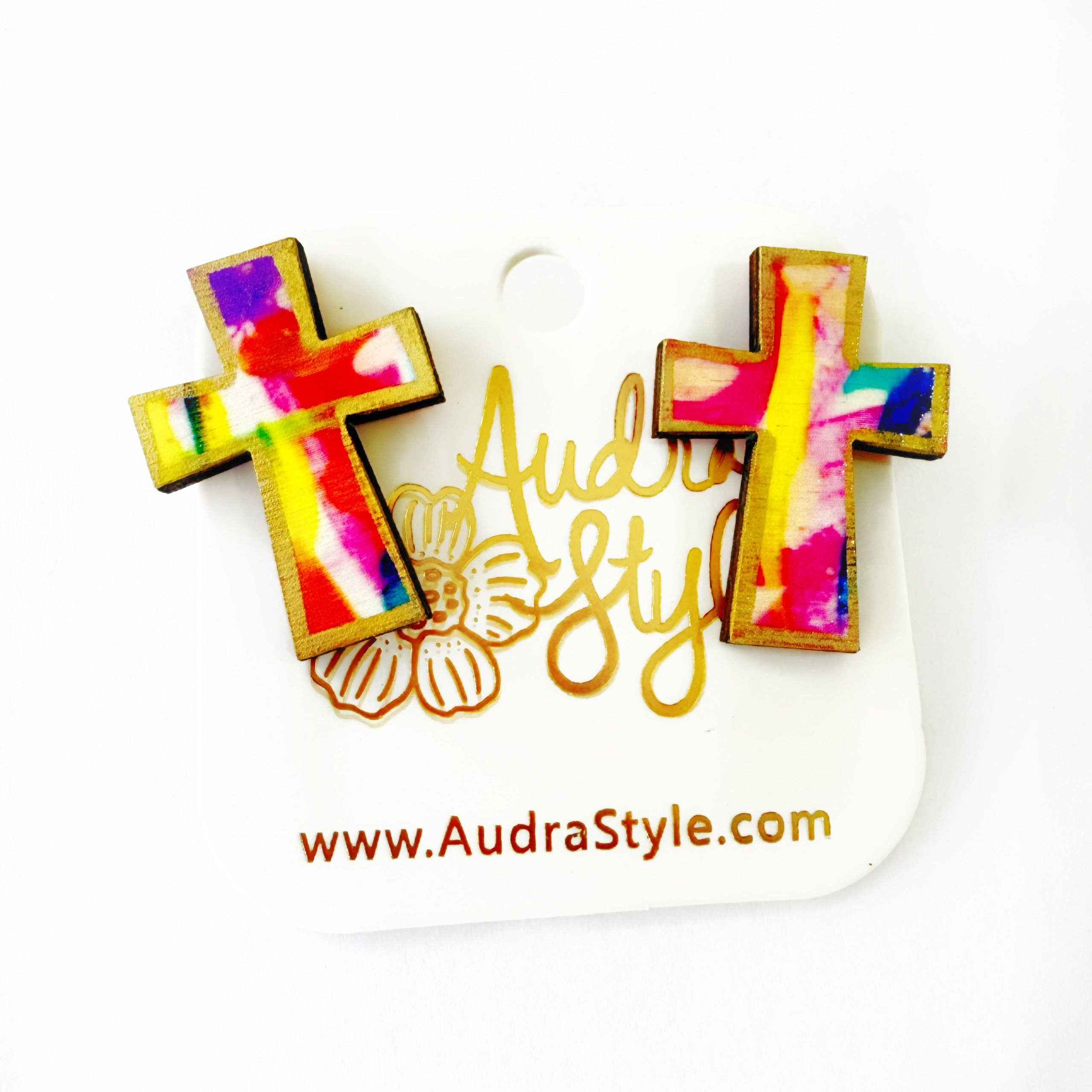
Handmade faith pieces cover a wide price range, so set a budget before you browse. Our handmade earrings are $16.95 each, and our wall cross is $19.95. Browse the Abstract Cross Stud to see one of the colorful earring options in person.
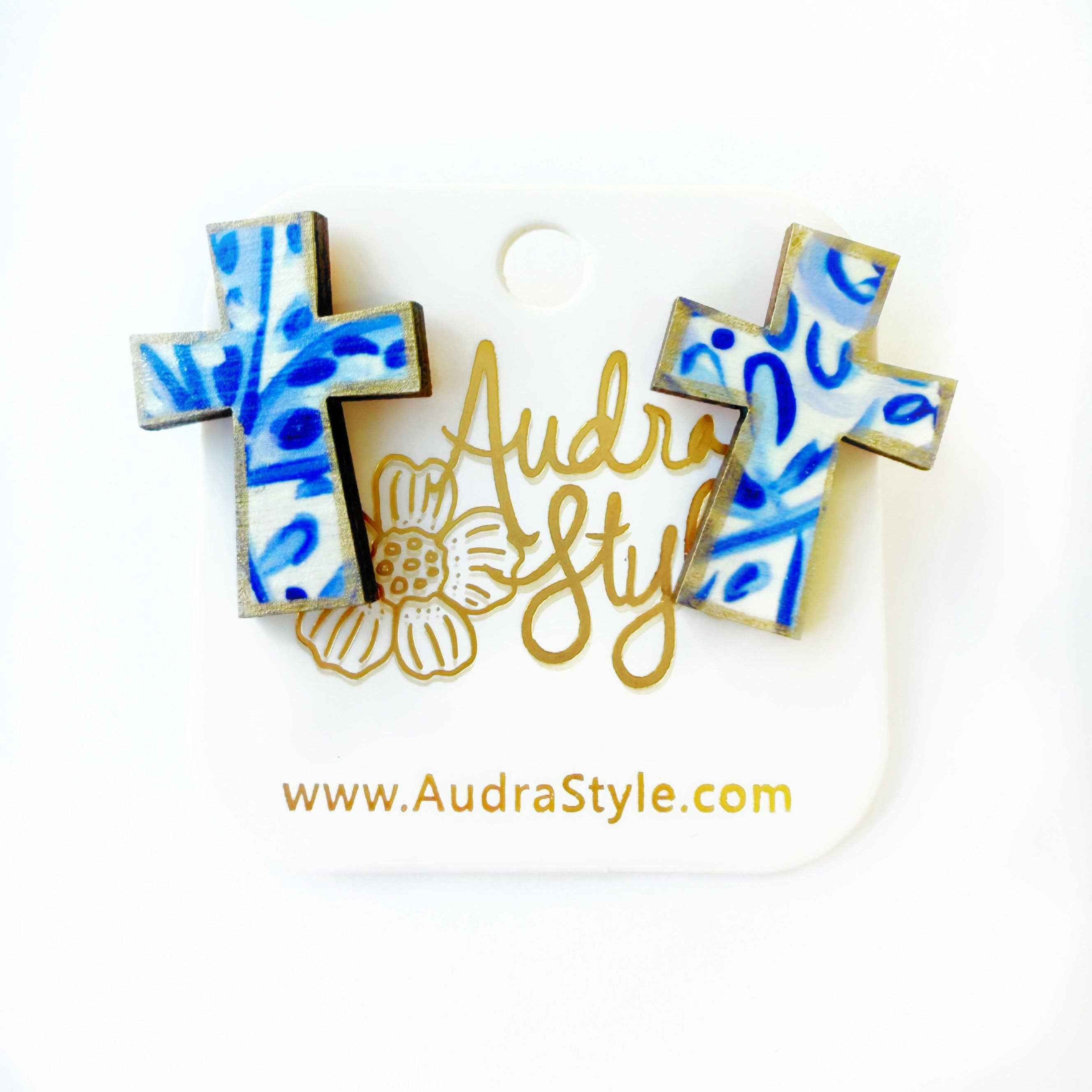
Quality shows in the materials and the finish. The Blue and White Cross Stud is listed with lightweight wood, brass hardware, and nickel-free findings. Check the listing for materials before you buy, and compare them against your own needs.
Faith-Based Gift and Decor Picks Worth Buying Now
If you want to support a maker while choosing a gift or updating your home, these picks are a practical place to start:
- Hugo Flower Clay Cross Handmade, $19.95. A small distressed wall cross suited to hallways or a quiet prayer corner. Each piece is hand-painted, so pieces may vary slightly in appearance.
- Local Made Engraved Wood, $28.95. A wood sign for home decor and gift giving.
Both items suit gift shoppers and anyone curating a peaceful home.
Choosing Your First Ethical Faith Purchase This Week
Start small. Choose one artist or one product, verify how it was made, and confirm that the price reflects the maker's work. Then compare what you learned against the criteria above.
If you are ready to shop, browse the Havens Marketplace collection to see handmade faith pieces with clear materials, pricing, and production details. Product listings describe materials and production where provided.
Frequently Asked Questions
How can I find faith-based products made by local artists?
Start with marketplaces that name the artists behind each product and describe how items are made. Look for product pages that state where and by whom a piece was cut, painted or assembled, such as the wood earrings and hand-formed clay cross sold through Havens Marketplace, whose listings describe their construction. Local boutiques, church craft fairs and community art shows are also good places to meet makers in person and ask how their work is produced. Following artists directly on their own channels can reveal new releases before they reach a wider audience.
What makes a faith-based business ethical?
An ethical faith-based business is transparent about who makes its products, how artists are paid and where production happens. Clear product descriptions that explain handmade processes, material choices and sourcing are a good sign. Shoppers should also look for consistent pricing that reflects handwork, honest descriptions of natural variation between pieces, and a visible commitment to supporting independent makers rather than only using faith imagery as marketing.
How can I tell whether a handmade product supports its artist?
Check whether the listing names the artist or artisan and describes their role in making the piece. Product descriptions that mention hand-cutting, hand-painting or made-to-order production suggest the item is not mass-stamped overseas. Ask any seller how the maker is compensated before you buy.
Where can Christian artists sell their work?
Christian artists commonly sell through their own websites, online storefronts, consignment arrangements with local shops, church bazaars and juried craft fairs. Curated marketplaces that focus on faith-inspired goods can also bring a maker's work to shoppers who are already looking for meaningful pieces. Each channel has different fees and reach, so many artists combine a few of them rather than relying on one.
